


Ear Infections in Children: When to See a Specialist
Almost every parent will deal with at least one middle ear infection in their child before age five — it’s one of the most common reasons for pediatrician visits worldwide. Most clear up on their own or with a short course of antibiotics. But when infections keep coming back, linger for weeks, or start affecting your child’s hearing and speech, it’s a sign to move beyond the family doctor and consult an ENT (ear, nose, and throat) specialist.
Katika Nyumba ya Huduma ya Afya (HoH), we help families connect with experienced pediatric ENT specialists and accredited hospitals for advanced ENT treatment in India — often at a fraction of the cost of treatment abroad. In this guide, we’ll walk you through what causes ear infections in children, the red flags that call for specialist care, and what treatment options look like when home remedies and antibiotics aren’t enough.
What Causes Ear Infections in Children?
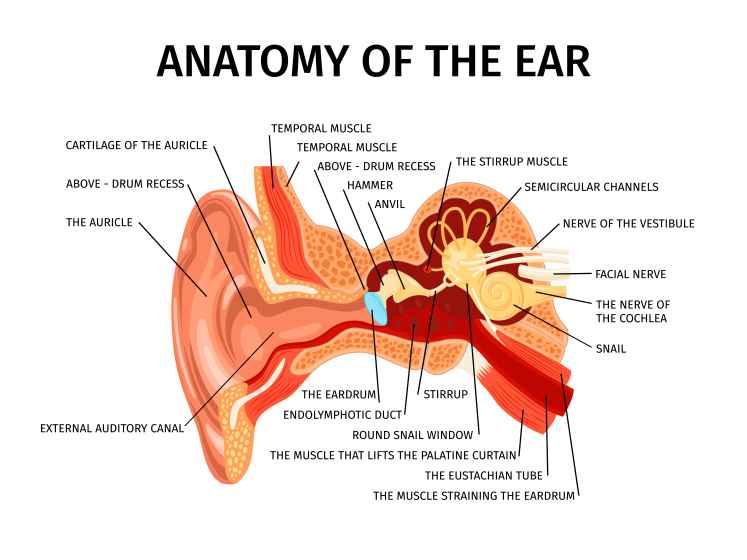
Children are far more prone to ear infections than adults, mainly because of their anatomy. The eustachian tube — the small channel connecting the middle ear to the back of the throat — is shorter, narrower, and more horizontal in young children. This makes it easier for fluid and bacteria from a cold, allergy, or sinus infection to get trapped in the middle ear instead of draining properly.
Common contributing factors include:
- Frequent colds or upper respiratory infections
- Enlarged adenoids blocking the eustachian tube
- Allergies causing nasal and throat congestion
- Exposure to cigarette smoke
- Bottle-feeding while lying down
- Daycare attendance, which increases exposure to viruses
- Seasonal changes, especially during cold and flu season
According to the National Institute on Deafness and Other Communication Disorders (NIDCD), five out of six children will have at least one ear infection by their third birthday, making it one of the most diagnosed childhood illnesses.
Common Symptoms of Ear Infections in Kids
Younger children often can’t describe ear pain directly, so parents need to watch for behavioral and physical cues, including:
- Tugging or pulling at one or both ears
- Fussiness or unusual crying, especially at night
- Trouble sleeping
- Fluid draining from the ear
- Balance problems
- Reduced response to sounds
- Fever
- Loss of appetite
If these symptoms show up alongside a cold, it’s often a simple middle ear infection (acute otitis media). But if they persist or recur, it may point to a more complex underlying issue.
Home Care vs. Medical Treatment
Not every ear infection needs antibiotics right away. Many pediatricians recommend a short observation period — typically 48 to 72 hours — since many infections are viral and resolve on their own. During this time, pain relief (as advised by your doctor), warm compresses, and adequate fluids can help manage discomfort.
However, medical treatment becomes necessary when:
- Symptoms don’t improve within 2–3 days
- The child is under six months old
- There’s high fever or severe ear pain
- Fluid or pus is draining from the ear
In these cases, a pediatrician will usually prescribe antibiotics and monitor the child’s recovery.
What Happens During a Specialist Consultation
A pediatric ENT specialist will typically:
- Review your child’s infection history — frequency, duration, and response to previous treatments.
- Perform an otoscopic examination to check the eardrum for fluid, redness, or damage.
- Conduct a hearing test (audiometry) or tympanometry to measure eardrum movement and middle ear pressure.
- Assess the adenoids and tonsils, since enlarged adenoids are a common cause of recurrent infections in children.
- Recommend a treatment plan based on the findings — ranging from continued monitoring to a minor surgical procedure.
Treatment Options for Recurrent Ear Infections
When infections keep recurring despite medical management, an ENT specialist may recommend:
- Ear tubes (myringotomy with tympanostomy tubes): A small tube is placed in the eardrum to drain fluid and equalize pressure, reducing the frequency of infections. This is one of the most common pediatric ENT procedures performed worldwide.
- Adenoidectomy: Removal of enlarged adenoids that are blocking the eustachian tube and contributing to repeated infections.
- Hearing aids or speech therapy: In cases where hearing loss has already affected speech development.
- Treatment for cholesteatoma: If an abnormal growth is found, surgical removal is typically required to prevent further hearing damage or complications.
These procedures are generally quick, well-established, and have high success rates in reducing recurrent infections and restoring normal hearing.
Ear Infection Treatment Cost in India
International families increasingly travel to India for pediatric ENT care because of the combination of experienced specialists, modern hospital infrastructure, and significantly lower treatment costs compared to the US, UK, and Gulf countries. Procedures like ear tube insertion and adenoidectomy in India typically cost a fraction of what the same procedures cost in Western countries, without compromising on quality of care.
For a detailed breakdown of procedure-wise pricing, visit our treatment cost guide, or reach out to HoH for a personalized estimate based on your child’s specific diagnosis and reports.
Top Hospitals & ENT Specialists in India
HoH partners with JCI- and NABH-accredited hospitals across India that have dedicated pediatric ENT departments, audiology units, and experienced pediatric surgeons. Our network includes leading hospitals in Delhi NCR and other major medical hubs, equipped with advanced diagnostic tools like digital otoscopy, pediatric audiometry, and minimally invasive surgical technology.
HOH Care Network
Looking for the Right Hospital?
Explore India’s leading hospitals offering advanced pediatric ENT care, experienced specialists, and comprehensive treatment across multiple specialties.
Expert Specialists
Looking for the Right Doctor?
Connect with experienced ENT and pediatric specialists. Explore doctor profiles, qualifications, expertise, and choose the right doctor for your child’s treatment.
Why Choose Home of Healthcare for Your Child’s ENT Care
Navigating a child’s medical treatment abroad can feel overwhelming for any parent — HoH is built to make it simple and stress-free:
- ✅ Free consultation with our medical coordinators to understand your child’s case
- ✅ Doctor and hospital matching based on the specific ENT condition
- ✅ Transparent, upfront cost estimates — no hidden charges
- ✅ End-to-end medical tourism support including visa, travel, and accommodation assistance
- ✅ Multilingual support (English, Arabic, Swahili, and more)
- ✅ Family-friendly coordination for pediatric cases, from diagnosis to recovery
With over 10+ years of experience, 1,200+ patients served, and a 98% satisfaction rate, HoH has helped families from across the Middle East, Africa, and beyond access trusted pediatric ENT care in India.
Start Your Child’s Treatment Journey With HoH
If your child has had repeated ear infections or you’ve been advised to see a specialist, don’t wait for it to affect their hearing or speech. Home of Healthcare is here to guide you from your first consultation to your safe return home.
Pata Ushauri wa Bure and let our team connect you with the right pediatric ENT specialist and hospital for your child’s needs.
Frequently Asked Questions
How many ear infections are considered “too many” for a child?
Generally, three or more ear infections in six months, or four or more in a year, is considered frequent enough to warrant an ENT specialist evaluation.
Can untreated ear infections affect a child’s speech?
Yes. Persistent fluid buildup or hearing loss from repeated infections can interfere with a child’s ability to hear speech sounds clearly during key developmental years, potentially delaying speech and language milestones.
Is ear tube surgery safe for young children?
Yes, ear tube insertion (myringotomy) is one of the most common and well-established pediatric surgical procedures, typically performed under brief general anesthesia with a very high safety profile and quick recovery.
Do all children with fluid in the ear need surgery?
No. Many cases of fluid buildup resolve on their own within a few weeks to months. Surgery is usually considered only when fluid persists beyond three months or is affecting hearing.
At what age should a child first see an ENT specialist for ear infections?
There’s no fixed age — a referral depends on the frequency and severity of infections rather than age alone. However, infants and toddlers under two are more vulnerable to complications and are often referred sooner if infections recur.








 English
 Swahili
 Arabic