

What Are the Stages of Cancer?
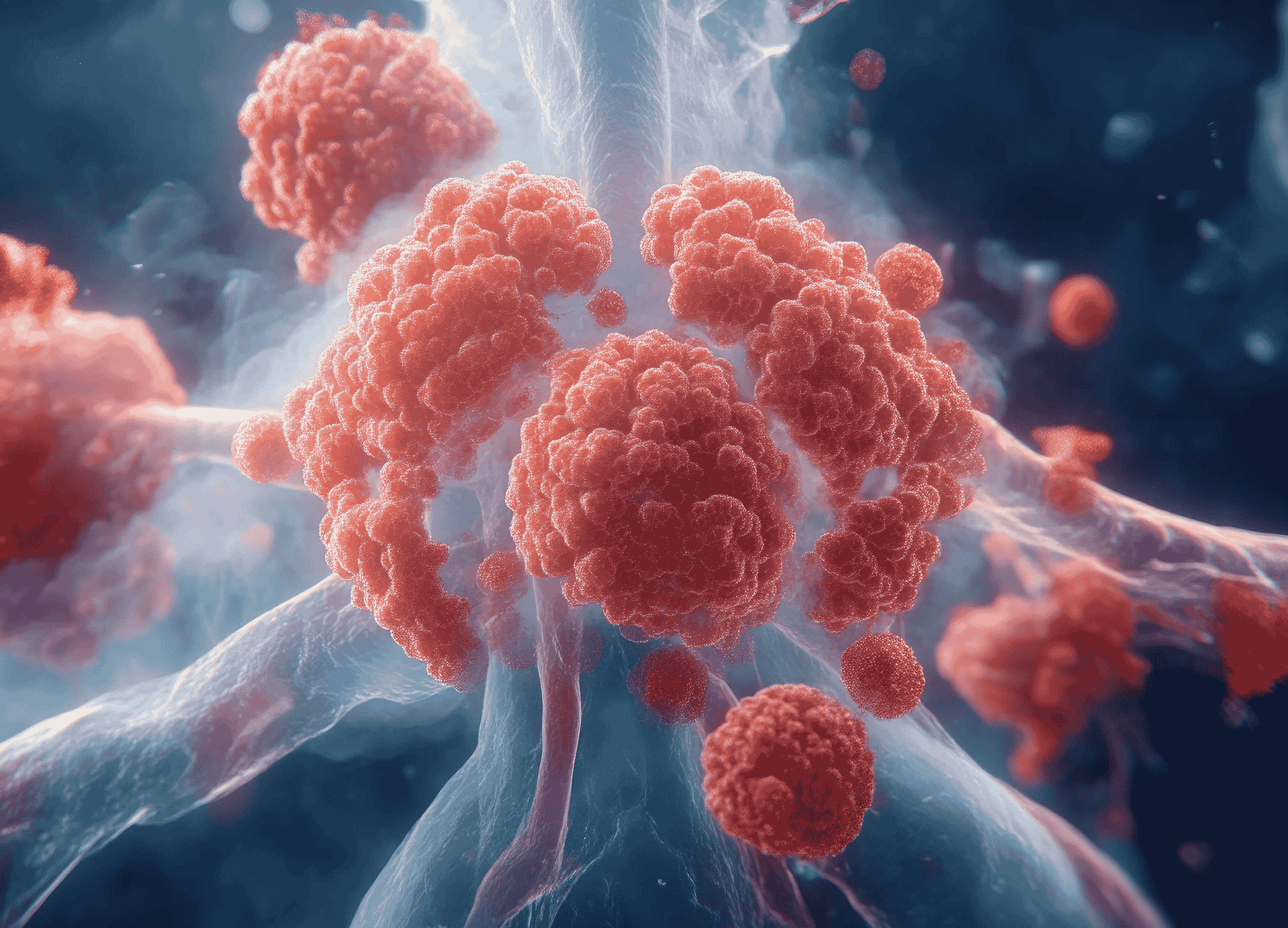
Cancer staging is the process of determining how large the cancer is, where it is located, and whether it has spread to nearby lymph nodes or other parts of the body. Knowing the stage of cancer helps doctors choose the most appropriate treatment plan and estimate the likely course of the disease.
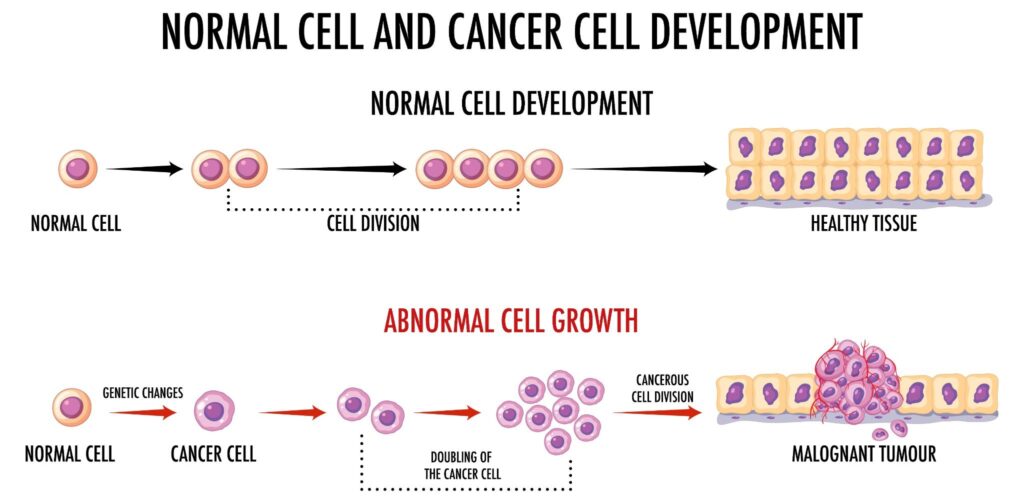
Cancer is generally classified into five stages, ranging from Stage 0 to Stage IV (4).
Stage 0 – Carcinoma in Situ
Stage 0 is the earliest stage of cancer. At this stage, abnormal cells are found only in the area where they first developed and have not spread to nearby tissues.
Treatment Options:
- Surgery
- Localized therapies
- Regular monitoring
Since the cancer is highly localized, treatment at this stage often has excellent outcomes.
Stage I – Early-Stage Cancer
In Stage I, cancer is small and confined to the organ where it began. It has not spread to nearby lymph nodes or distant organs.
Common Treatment Options:
- Surgery
- Radiation therapy
- In some cases, chemotherapy
Early-stage cancer treatments are often highly treatable, with a strong chance of successful recovery.
Stage II – Localized Growth
At Stage II, the tumor is larger than in Stage I or has spread to nearby lymph nodes, but it has not spread to distant parts of the body.
Treatment Options:
- Surgery
- العلاج الكيميائي
- Radiation therapy
- Targeted therapy (for certain cancers)
Treatment aims to remove or destroy cancer cells while reducing the risk of recurrence.
Stage III – Regional Spread
Stage III indicates that cancer has spread to nearby lymph nodes or surrounding tissues but has not spread to distant organs.
علاج السرطان at this stage is often more comprehensive and may involve multiple therapies.
Treatment Options:
- Surgery
- العلاج الكيميائي
- Radiation therapy
- Targeted therapy
- العلاج المناعي
Many patients with Stage III cancer can still achieve positive outcomes with timely, multidisciplinary care.
Stage IV – Advanced or Metastatic Cancer
Stage IV means the cancer has spread to distant organs such as the liver, lungs, bones, or brain.
Although cancer treatment may be more complex, significant advances in oncology have improved outcomes and quality of life for many patients.
Treatment Options May Include:
- العلاج الكيميائي
- Targeted therapy
- العلاج المناعي
- Hormone therapy
- Precision radiation therapy
- Palliative and supportive care
Treatment focuses on controlling the disease, managing symptoms, improving quality of life, and, in some cases, achieving long-term remission.
How Is Cancer Staged?
Cancer staging is the process doctors use to determine the size of the tumor, its location, and whether it has spread to nearby lymph nodes or other parts of the body. This information helps healthcare teams develop a personalized treatment plan and determine the most effective treatment options.
To accurately stage cancer, doctors may use a combination of the following:
- Physical Examination: To check for visible or palpable signs of cancer.
- Imaging Tests: Such as CT scans, MRI scans, PET scans, X-rays, or ultrasounds to assess the size and spread of the tumor.
- Blood tests: To measure general health and identify certain tumor markers linked to particular cancers.
- Biopsy: A sample of tissue is examined under a microscope to confirm the diagnosis and identify the type of cancer.
- Endoscopy: A procedure used to examine internal organs and collect tissue samples when needed.
- Surgery: In some cases, surgery may be performed to determine the extent of the cancer and whether it has spread.
Doctors implement the TNM staging system for numerous solid tumors:T (Tumor): Indicates the primary tumor’s size and extent.
- T (Tumor): Describes the size and extent of the primary tumor.
- N (Nodes): Indicates whether the cancer has spread to nearby lymph nodes.
- M (Metastasis): Indicates whether the cancer has spread to distant organs.
An entire cancer stage, ranging from Stage 0 to Stage IV, is assigned based on the results of these evaluations (4). Understanding the stage helps doctors recommend the most appropriate treatment approach, monitor progress, and discuss the expected outlook with patients.
Why Early Diagnosis Matters?
Early diagnosis plays a crucial role in improving cancer treatment outcomes. Detecting cancer in its early stages often means the disease is smaller, has not spread extensively, and can be treated more effectively. As a result, there’s a better chance that treatment will be successful and potentially less need for aggressive therapies.
Some key benefits of early diagnosis include:
- Higher chances of successful treatment and recovery
- More treatment options, including less invasive procedures in some cases
- Greater success in extending life expectancy for cancer patients
- Reduced risk of cancer spreading to other parts of the body
- Improved quality of life both before and after treatment
- Potentially shorter recovery times with timely intervention
Early action not only improves treatment outcomes but also gives patients and their families greater confidence and peace of mind throughout the healthcare journey.
Advanced Cancer Treatment in India

India has become a trusted destination for advanced cancer treatment, offering access to experienced oncologists, internationally accredited hospitals, and cutting-edge medical technology.
With experienced oncologists, internationally accredited hospitals, and advanced treatment options, cancer treatment in India is trusted by patients worldwide.
Patients can benefit from:
- Robotic-assisted surgery
- Precision radiation therapy
- العلاج المناعي
- Chemotherapy and Hormone Therapy
- Targeted therapy
- Bone marrow transplantation
- Personalized treatment plans
- Multidisciplinary cancer care teams
With a combination of advanced technology, skilled medical professionals, and patient-centered care, India continues to provide world-class cancer treatment while making quality healthcare accessible to international patients.
Choose Home of Healthcare for Your Medical journey in India
Planning medical tourism in India for cancer treatment can feel overwhelming.
Home of Healthcare simplifies every step of your healthcare journey with personalized support and expert guidance.
نحن نقدم:
- Assistance in selecting leading hospitals and experienced oncologists
- جدولة المواعيد وتنسيق العلاج
- Visa guidance and documentation support
- Travel and accommodation assistance
- Dedicated patient coordinators throughout your journey
- Multilingual support for international patients
- Post-treatment follow-up and continued care
Our goal is to ensure that you receive expert medical care while making your healthcare journey as smooth and stress-free as possible.
اتصل بنا موطن الرعاية الصحية today to learn more about personalized cancer treatment options in India and begin your healthcare journey with confidence.


 English
 Swahili
 Arabic