
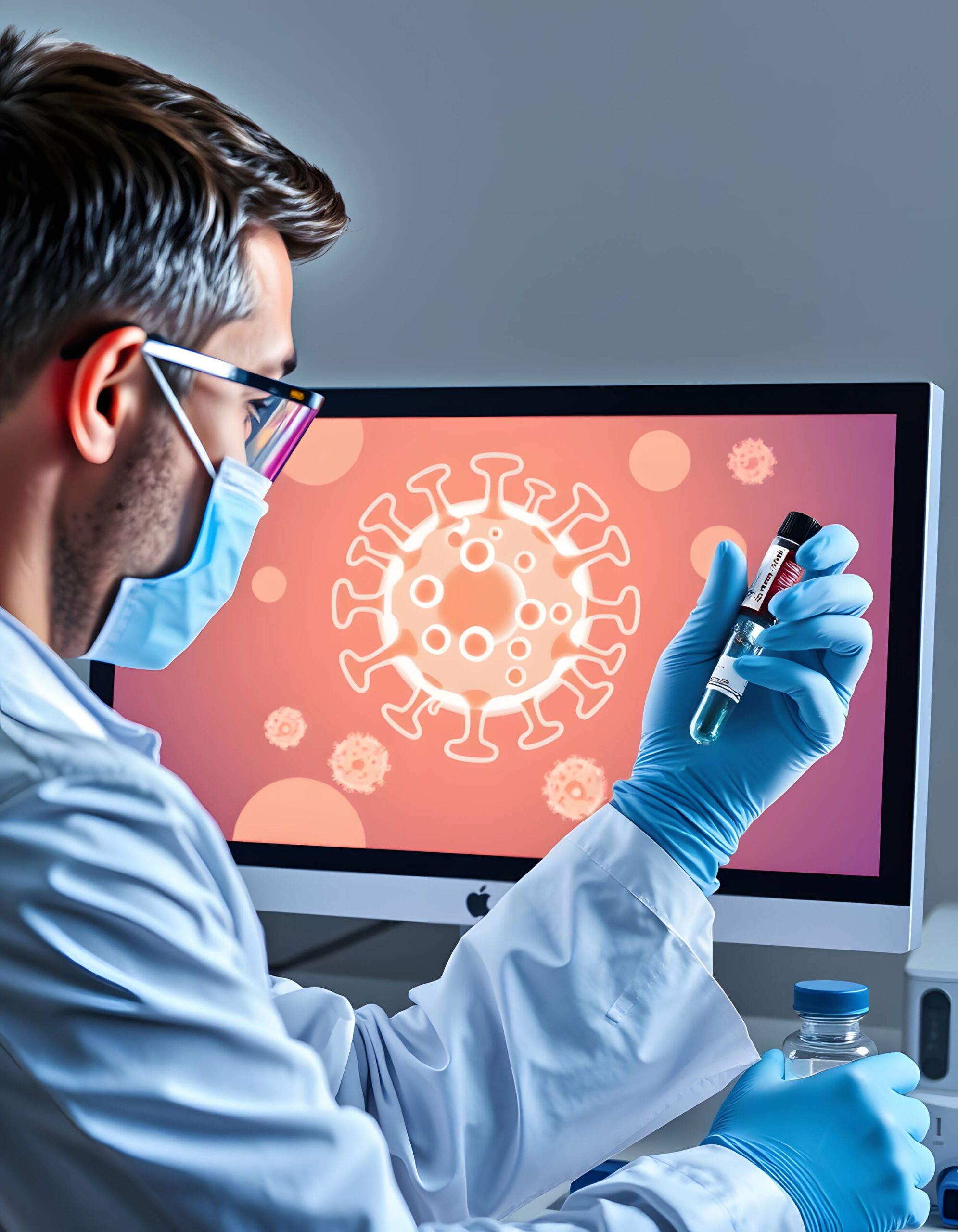

How NGS Testing Helps Diagnose and Treat Cancer

Cancer treatment has moved far beyond a one-size-fits-all approach. Today, doctors can look deep into the genetic makeup of a tumor and design a treatment plan built specifically around it. At the center of this shift is a technology called Next-Generation Sequencing (NGS) — a test that is quietly transforming how oncologists diagnose, treat, and monitor cancer.
Katika Nyumba ya Huduma ya Afya, we help patients navigate every step of their cancer treatment journey — including understanding tests like NGS that can shape the entire course of care. Here’s what the NGS test is, how it works, and why it matters.
What Is an NGS Test?
Next-Generation Sequencing is an advanced laboratory technique that reads the genetic code — DNA and RNA — of a tumor sample. Unlike older sequencing methods that examine one gene at a time, NGS can scan hundreds of genes simultaneously from a single sample, whether it comes from a tissue biopsy or a blood sample (known as a liquid biopsy).
In simple terms, if traditional testing is like checking one lock in a building, NGS is like mapping the security system of the entire building at once. It gives doctors a much fuller picture of what’s driving a specific cancer at the molecular level.
According to the National Cancer Institute, NGS is used to analyze changes in genes that may be linked to a person’s cancer, helping researchers and doctors understand the disease at its root.
How Does NGS Help Treat Cancer?
1. More Accurate Diagnosis and Classification
Many cancers that look similar under a microscope are actually driven by very different genetic mutations. NGS helps pathologists pinpoint the exact genetic alterations fueling a tumor’s growth, which can refine or even change the original diagnosis.
2. Personalized, Targeted Treatment Plans
Cancer is highly individual — two patients with the same type of cancer may not respond to the same treatment. NGS identifies specific mutations that can be matched to targeted therapies designed to attack those exact changes, rather than relying on generalized chemotherapy alone. This is often referred to as precision oncology or personalized medicine.
3. Reduced Trial and Error
Instead of testing one gene or trying one drug at a time, NGS analyzes multiple genes in a single test. This shortens the time to diagnosis, preserves limited biopsy tissue, and helps doctors avoid prescribing treatments that are unlikely to work — reducing unnecessary side effects for the patient.
4. Monitoring Treatment Response and Resistance
NGS isn’t just used at diagnosis. It can also help track how a tumor responds to treatment over time and detect emerging mutations that cause drug resistance, allowing oncologists to adjust the treatment plan before the cancer progresses further.
5. Detecting Inherited Cancer Risk
In some cases, NGS can also identify inherited mutations — such as BRCA1 and BRCA2 — that run in families and increase cancer risk, which is valuable for both the patient and their close relatives.
Which Cancers Benefit Most from NGS Testing?
NGS is used across many cancer types, but it plays a particularly important role in:
- Lung cancer – identifying mutations like EGFR, ALK, and ROS1 that can be targeted with specific drugs
- Breast cancer – guiding decisions around targeted and hormone-based therapies
- Colorectal cancer – detecting KRAS and microsatellite instability (MSI) status
- Blood cancers – identifying mutations relevant to leukemia and lymphoma treatment
- Rare and hard-to-diagnose cancers – where standard testing may not reveal the underlying driver
If you or a loved one has been advised to undergo genetic or molecular testing, our team can help you understand your oncology treatment options and connect you with the right specialists.
What to Expect During an NGS Test
- Sample collection – A sample is taken from the tumor tissue (biopsy) or blood (liquid biopsy).
- Sequencing – The lab extracts DNA/RNA and runs it through NGS technology, which reads millions of genetic fragments at once.
- Data analysis – Advanced software compares the results against known cancer-related mutations.
- Molecular tumor board review – A team of oncologists, pathologists, and genetic specialists interprets the report.
- Treatment planning – Based on the findings, your care team recommends targeted therapy, immunotherapy, or standard treatment — whichever is most likely to work for your specific cancer.
This process typically takes anywhere from a few days to a couple of weeks, depending on the lab and panel size used.
Why Choose the Right Care Partner for NGS-Guided Treatment
Interpreting an NGS report isn’t simple — it requires experienced oncologists and access to the latest targeted therapies. That’s why having the right hospital and care coordination partner matters just as much as the test itself.
Katika Nyumba ya Huduma ya Afya, we go beyond just pointing you to a test. Our team helps with:
- Connecting you with leading oncologists and NABH/JCI-accredited hospitals
- Coordinating hospital appointments and second opinions
- Assisting with travel and accommodation for medical treatment
- Providing ongoing patient support throughout your treatment journey
Whether you’re just starting to explore your options or have already received an NGS report, our team can help you take the next step with confidence. Get in touch with our care coordinators to learn how we can support your cancer treatment journey.
Frequently Asked Questions
Is NGS testing the same as a biopsy?
Not exactly. A biopsy is how the sample is collected; NGS is the technology used to analyze the genetic material within that sample.
Is NGS testing covered by insurance?
Coverage varies by country, insurer, and cancer type. It’s best to check with your insurance provider or ask your care coordination team for guidance.
How long does it take to get NGS results?
Typically between a few days and 2–3 weeks, depending on the lab and the number of genes analyzed.
Can NGS testing be done on all cancer types?
NGS can technically be applied to most solid tumors and blood cancers, though its clinical usefulness varies depending on how well-researched the specific cancer type is.
Final Thoughts
NGS testing represents one of the biggest shifts in modern oncology — moving cancer care from a generalized approach to one built around each patient’s unique genetic profile. If you’re navigating a cancer diagnosis, understanding whether NGS testing is right for you could be an important step toward a more targeted, effective treatment plan.
Sources:
- National Cancer Institute – Next-Generation Sequencing
- Living Beyond Breast Cancer – NGS Tests
- CURE Today – Next-Generation Sequencing in Saratani Care
Ready to explore your treatment options?
Wasiliana na Nyumbani kwa Huduma ya Afya today to speak with our care coordination team.





 English
 Swahili
 Arabic