
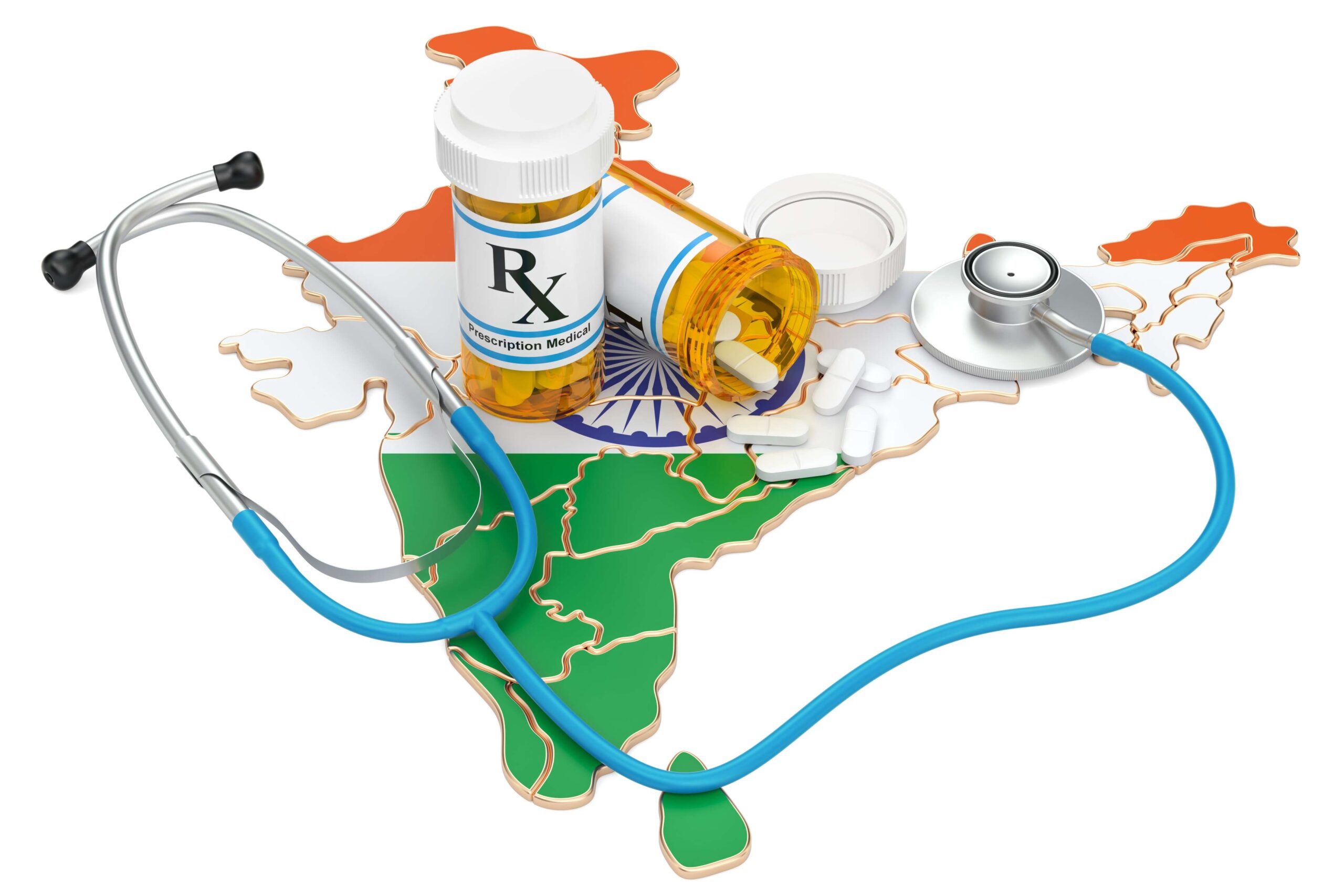

Medical Tourism in India: Complete Guide for International Patients in 2026

Every year, millions of patients travel to India for medical treatment — drawn by world-class hospitals, internationally trained doctors, and costs that are a fraction of what they’d pay at home. Whether you’re researching a cardiac procedure, a knee replacement, fertility treatment, or cosmetic surgery, India has become one of the most trusted medical tourism destinations in the world.
This guide walks you through everything you need to know before booking your treatment in India in 2026 — from costs and top hospitals to visas, safety, and how to choose the right care partner.
Why Choose India for Medical Treatment?
India has built a reputation as a global healthcare hub for several reasons:
- Significant cost savings — treatment can cost 60–80% less than in the US, UK, or Gulf countries, even after factoring in travel.
- World-class hospitals — many Indian hospitals hold JCI (Joint Commission International) and NABH accreditation, meeting global safety and quality standards.
- Skilled specialists — a large number of Indian doctors are trained or have practiced in the US, UK, and Europe.
- Minimal wait times — patients can often begin treatment within days, compared to months-long waitlists in some countries.
- Advanced technology — robotic surgery, proton therapy, and other cutting-edge treatments are widely available in top metro hospitals.
- Holistic recovery options — India’s strength in Ayurveda, yoga, and wellness tourism makes it ideal for recovery-focused travel.
Popular Treatments International Patients Seek in India
- Cardiac surgery (bypass, valve replacement, angioplasty)
- Orthopedic procedures (knee/hip replacement, spine surgery)
- Oncology (cancer treatment, chemotherapy, radiation)
- Gastroenterology and Hepatobiliary Diseases
- Cosmetic and plastic surgery
- Organ transplants (kidney, liver)
- Dental procedures and full-mouth rehabilitation
- ENT
- Neurology
Medical Tourism in India: Cost Comparison
One of the biggest drivers of medical tourism in India is affordability. Here’s a general cost comparison (approximate, for illustration):
| Procedure | USA (approx.) | India (approx.) | Savings |
|---|---|---|---|
| Heart Bypass Surgery | $70,000–$130,000 | $7,000–$12,000 | 80–90% |
| Knee Replacement | $30,000–$50,000 | $5,000–$8,000 | 75–85% |
| IVF Cycle | $12,000–$25,000 | $2,500–$4,500 | 70–80% |
| Dental Implants (full mouth) | $20,000–$45,000 | $3,000–$6,000 | 80–85% |
Costs vary by hospital, city, surgeon experience, and complexity of the case. Always request a personalized quote before travel.
Top Cities for Medical Tourism in India
- Delhi NCR — home to some of India’s largest multi-specialty hospital chains, strong for cardiac and oncology care.
- Mumbai — leading center for complex surgeries, organ transplants, and cancer treatment.
- Chennai — often called India’s “health capital,” especially strong in cardiac care and organ transplants.
- Bangalore — known for advanced neurology, orthopedics, and robotic surgery.
- Hyderabad — growing hub for oncology and eye care.
How to Choose the Right Hospital or Care Partner & Doctors
Not every hospital is equally equipped for international patients. When evaluating options, check for:
- Accreditation — look for JCI or NABH-certified hospitals.
- International patient services — dedicated coordinators, interpreter support, and airport-to-hospital assistance.
- Transparent pricing — a detailed, itemized treatment cost estimate before you travel.
- Doctor credentials — verify the surgeon’s qualifications, experience, and success rates.
- Patient reviews and outcomes — read verified testimonials from other international patients.
This is exactly where a medical tourism facilitator like hoh.care helps — connecting you with accredited hospitals, getting transparent quotes, arranging travel logistics, and providing a single point of contact throughout your treatment journey.
Our Hospitals Our Doctors
Medical Visa for India: What You Need to Know
Foreign nationals seeking treatment must apply for a Medical Visa (M Visa), not a tourist visa. Key points:
- Requires a letter from the treating hospital in India confirming the treatment plan.
- Valid for up to 1 year or the treatment duration, with multiple entries permitted.
- Up to two attendants can apply for a Medical Attendant Visa (MX Visa) to accompany the patient.
- Applications are made online through India’s official visa portal, followed by submission at the nearest Indian embassy/consulate or visa center.
Processing usually takes a few business days once documentation is complete, though timelines vary by country of application.
Step-by-Step: Planning Your Medical Trip to India
- Initial consultation — share medical reports for a preliminary opinion and cost estimate.
- Treatment plan confirmation — get a written plan from the specialist along with hospital admission details.
- Visa and travel documentation — apply for your medical visa using the hospital’s invitation letter. (Check now)
- Travel and accommodation arrangements — book flights and, if needed, patient-friendly accommodation near the hospital.
- Arrival and hospital admission — many hospitals offer airport pickup and dedicated international patient desks.
- Treatment and recovery — undergo the procedure with follow-up care and physiotherapy as needed.
- Discharge and travel-back planning — get fitness-to-fly clearance and follow-up reports for your home doctor.
Safety and Quality Standards
International patients are often (understandably) concerned about safety. India’s leading hospitals follow strict infection-control protocols, use globally sourced medical equipment, and are regularly audited under JCI/NABH standards. Success rates for major procedures like cardiac surgery and organ transplants in top Indian hospitals are comparable to leading Western institutions.
Frequently Asked Questions
Is medical tourism in India safe for foreigners?
Yes. Accredited hospitals in India follow international safety and quality protocols, and many specialists are trained internationally.
How much can I save by getting treatment in India?
Depending on the procedure, patients typically save 60–90% compared to costs in the US, UK, or Gulf countries.
Do I need a special visa to get treated in India?
Yes, a Medical Visa (M Visa) is required, along with an invitation letter from the treating hospital.
Can a family member accompany me?
Yes, up to two attendants can apply for a Medical Attendant (MX) Visa.
How do I choose the right hospital in India?
Look for JCI/NABH accreditation, transparent pricing, verified doctor credentials, and dedicated international patient support — or work with a trusted facilitator like hoh.care to simplify the process.
Final Thoughts
Medical tourism in India offers a rare combination of affordability, quality, and accessibility — making it a top choice for patients worldwide in 2026. The key to a smooth experience is careful planning: choosing an accredited hospital, understanding the visa process, and working with a reliable partner who can coordinate your care end-to-end.
Ready to explore your treatment options in India?
Get a free consultation with hoh.care and let our team guide you through every step — from hospital selection to visa support and recovery care.








 English
 Swahili
 Arabic